
BEYOND THE TIDE
Your journey doesn’t stop at the surface. Discover how HighTide takes a stand for the environment, and what your support can help achieve.
THE HIGHTIDE MISSION
At HighTide Water Sports, our focus goes beyond providing high quality products for the ultimate aquatic experience. We want to protect the waters we love both now and in the future. That’s why 5% of every HighTide purchase is donated to the Natural Resources Defense Council (NRDC) to support research and conservation of the Blake Plateau which hosts the largest deep-sea coral reef system on the planet (Aridi and Flatow). You make a difference with every adventure you embark on with us.

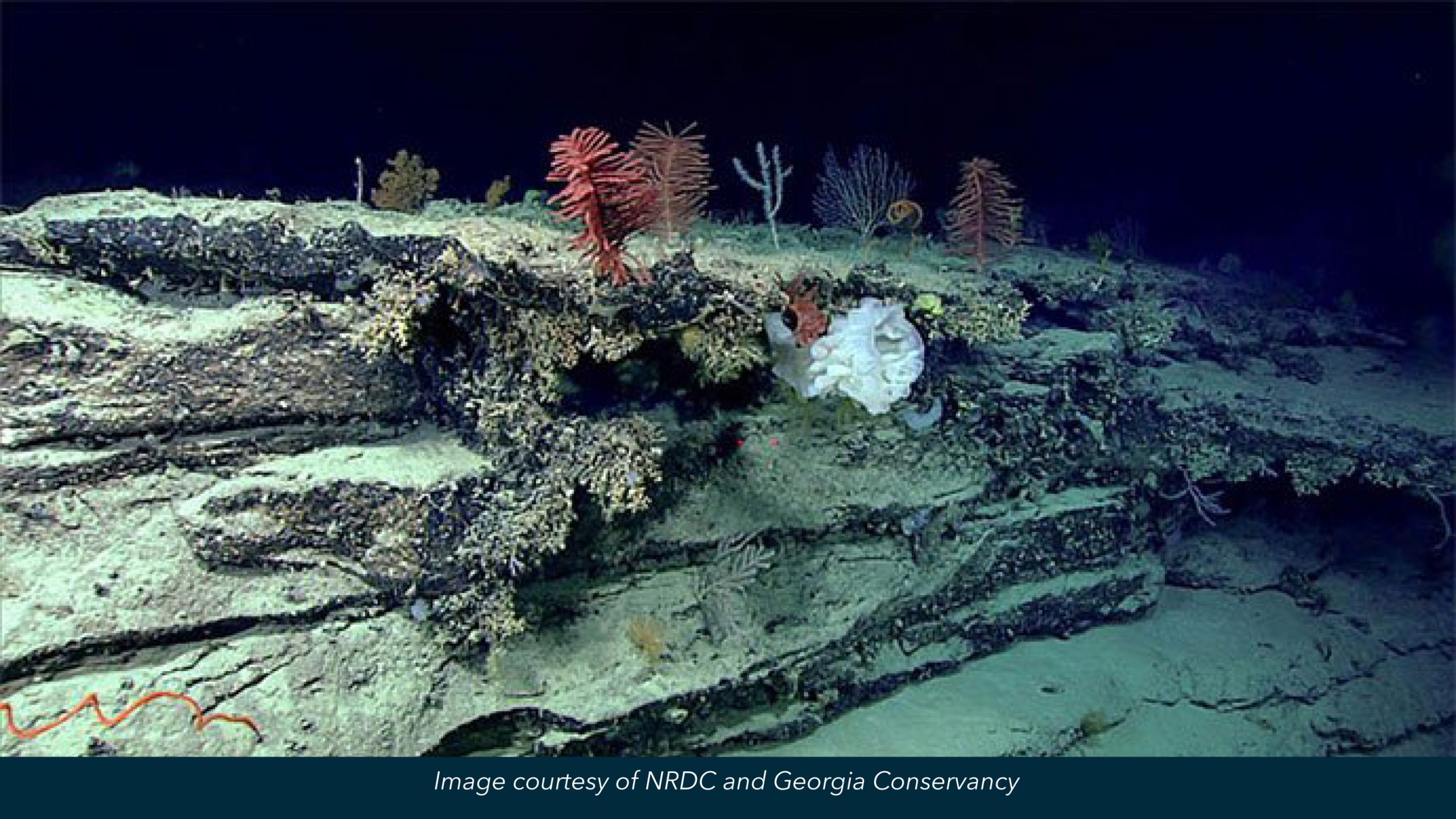
what are deep-sea coral reefs?
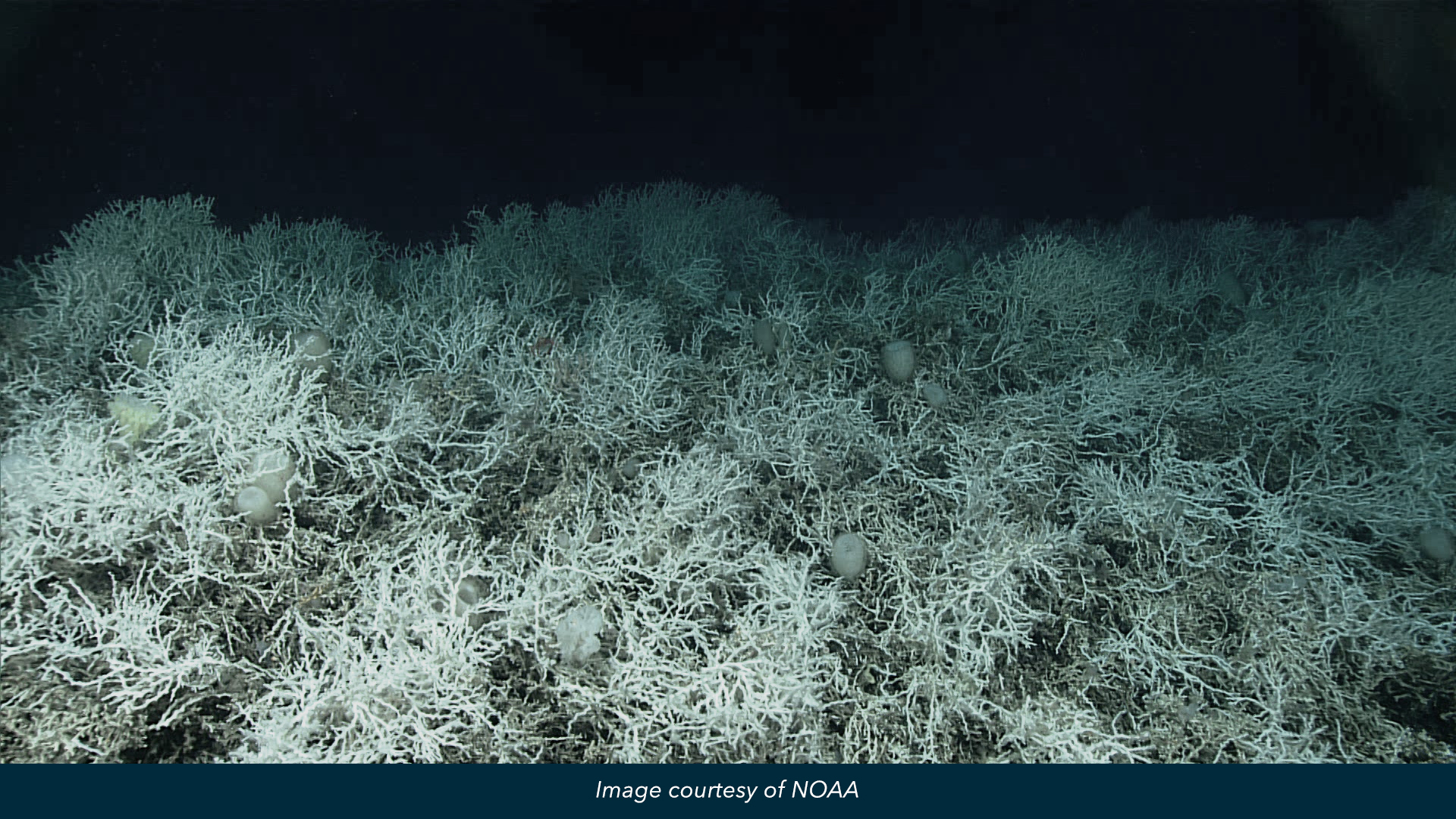
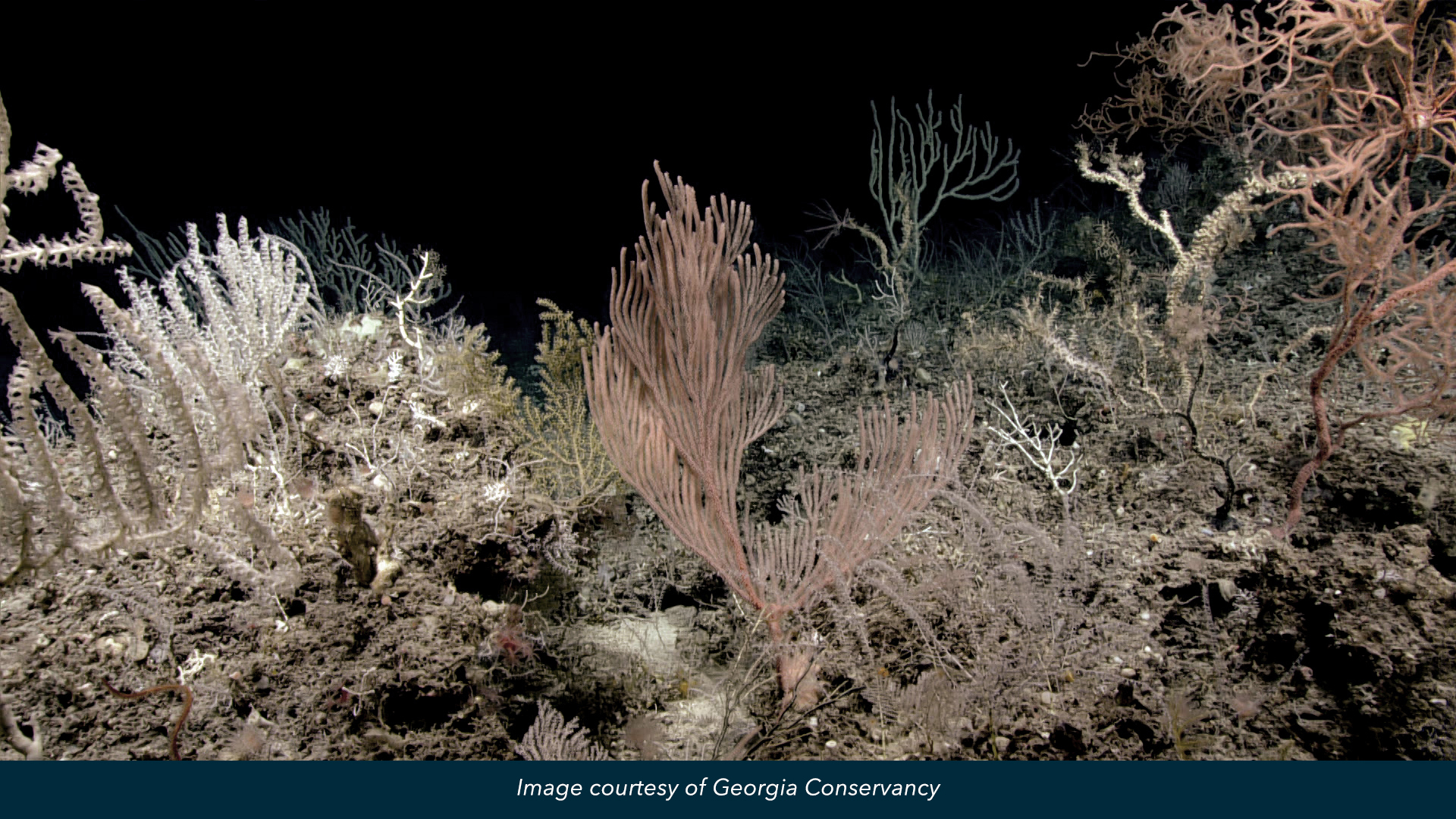
Although less known and researched than their tropical counterparts, deep-sea coral reefs serve an essential role to marine biodiversity. These dark and cold reefs host corals from 150 feet to 10,000 feet below sea level that differ from warm-water corals because they lack an energy-providing photosynthetic zooxanthellae symbiont (NOAA, Aridi and Flatow). Instead, these corals feed on “marine snow,” or organic matter that constantly rains down from surface waters (Aridi and Flatow). The corals form tall tree-like fans or vertical columns as opposed to more horizontally-spread rock shapes, with the corals Oculina, or Ivory Tree Coral, and Lophelia, sometimes referred to as Stony White Coral, being the most prevalent (NOAA, Reed 57).
Deep-sea coral reefs host a wide variety of marine life including worms, shrimp, crustaceans, and fish, all while recycling essential nutrients back into the water, which makes deep-sea reefs crucial for the marine ecosystem as a whole (Aridi and Flatow). Research indicates that deeper areas of the reefs may provide a climate refugia for organisms that are displaced from their natural habitat due to global warming and other negative impacts from human activities (Caraballo). With only about 25% of the ocean floor having been mapped, there is an urgent need to not only explore the diverse coral reef ecosystems deep within the ocean, but also protect them for the future (Aridi and Flatow).
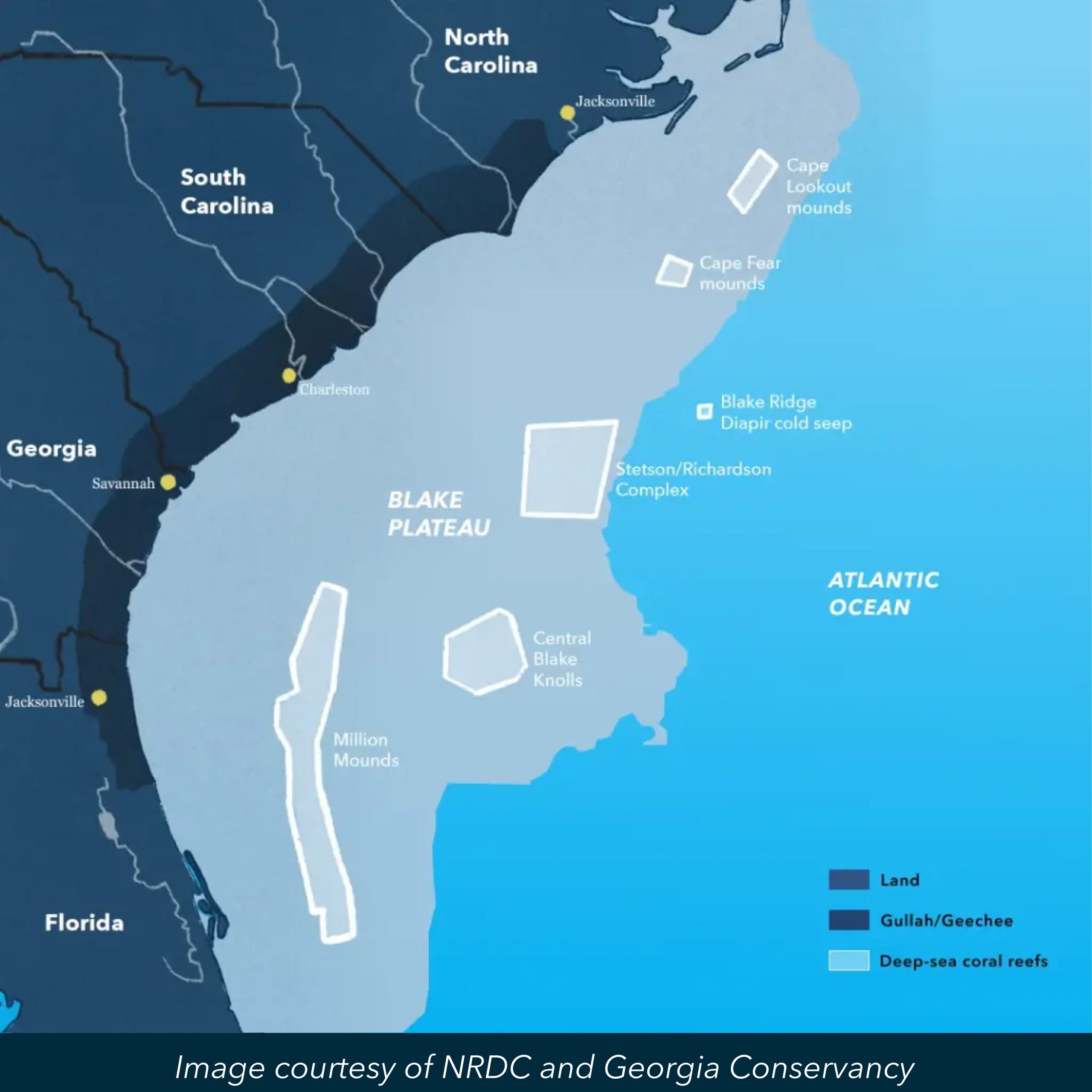
The deep-sea coral reef system found on the Blake Plateau, also known as the Million Mounds, covers approximately 6.4 million acres of ocean floor and is made up of thousands of individual mounds of living coral (Aridi). The Blake Plateau is located off the southeastern coast of the United States and spans from Florida to North Carolina, with the tip of the Million Mounds located approximately 165 miles from the coast of Charleston, South Carolina (Stetson et al. 1).
Scientists have only recently discovered the vastness of this coral reef system, and more extensive exploration in the area has led to its distinction as the largest deep-sea coral reef system in the world (Aridi and Flatow). Scientists now recognize the system as a potential refuge for preserving marine biodiversity (Caraballo). However, the coral reefs of the Blake Plateau are certainly still vulnerable to future impacts from human activity and must be preserved.
Although the Million Mounds of the Blake Plateau are not yet endangered to the extent of many warm-water reefs, these deep-sea coral reefs are still in a highly vulnerable position that could change very quickly. Anthropogenic activities such as trawling, which involves dragging nets or other fishing gear along the seafloor, and laying undersea cables can completely destroy hundreds of years of coral growth in a matter of minutes (NOAA). Although deep-sea coral reefs are more resilient to climate change because of their depth, another significant concern for these reefs is that they may still be susceptible to damage in the case of more drastic temperature changes because they are adapted to a much more narrow temperature range (NOAA).
Because of limited research on the deep sea and its associated ecosystems, and the potential for negative human impacts, it is imperative that we learn how to best preserve and protect these coral reefs. When considering the damage humans have caused through overconsumption, commercial fishing, pollution, climate change, ocean acidification, and habitat destruction in shallower waters, an imminent threat may be all too real for deeper waters.
Just because we can’t see or visit the deep-sea coral reefs on our paddle boards does not mean that our actions won’t affect them. Our responsibility as a Charleston-based water sports company is more important than ever as human activity has rapidly destroyed countless marine ecosystems. Our donation to the NRDC shows our commitment to protecting the ocean at all costs.
NRDC is a non-profit organization that collaborates with a range of conservationists and scientists as well as legal professionals to not only raise awareness for environmental concerns but to take action (Caraballo). Our partnership with NRDC aims to support awareness for the well-being of our environment even when we don’t interact with it personally. Even though the Million Mounds may seem too far away to care about, everything is connected within the Atlantic Ocean.
The importance of protecting what we don’t see cannot be overstated. Help us support the protection of deep-sea coral reefs on the Blake Plateau for the sake of all the life that they support.
For more information about the Blake Plateau deep-sea coral reefs and what your HighTide purchase is helping to protect, visit these sources.
https://www.nrdc.org/bio/leysha-caraballo/blake-plateau-mapping-qa-dr-derek-sowers
https://www.nrdc.org/resources/blake-plateau-southern-treasure
https://conserveblakeplateau.org/
https://oceanexplorer.noaa.gov/news/million-mounds-news/
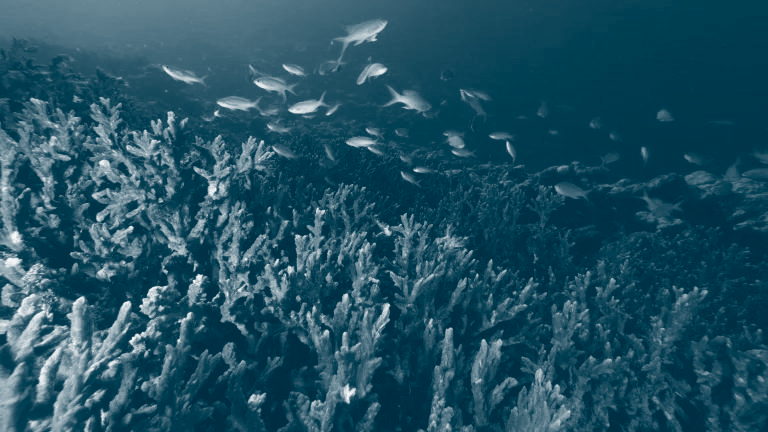
The importance of protecting what we don’t see cannot be overstated. Help us support the protection of deep-sea coral reefs on the Blake Plateau for the sake of all the life that they support.
SOURCES
Aridi, Rasha, and Ira Flatow. “Revealing the Largest Deep-Sea Coral Reef in the World.” Science Friday, 6 Feb. 2024, www.sciencefriday.com/segments/largest-deep-sea- coral-reef-map/.
Caraballo, Leysha. “Blake Plateau: A Biodiversity Refuge in a Warming World.” NRDC, 3 May 2024, www.nrdc.org/bio/leysha-caraballo/blake-plateau-biodiversity-refuge-warming- world.
NOAA. “Deep-Sea Coral Habitat.” NOAA, 11 Sept. 2025, www.fisheries.noaa.gov/national/ habitat-conservation/deep-sea-coral-habitat.
Reed, John K. “Comparison of deep-water coral reefs and lithoherms off Southeastern USA.” Hydrobiologia, vol. 471, no. 1–3, Mar. 2002, pp. 57–69, https://doi.org/10.1023/a:1016593018389.
Stetson, Thomas R., et al. Coral Banks Occurring in Deep Water on the Blake Plateau. American Museum of Natural History, 1962.